

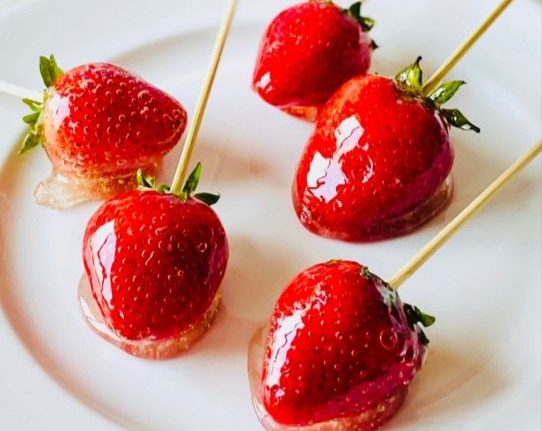
Hola, food lovers! Have you ever dreamt of crafting those visually stunning, glass-like candied fruits you see gracing vibrant street food stalls? That magical treat is tanghulu, and believe me, it’s not just for professional vendors! Today on Maria Cortes Recipes, we’re demystifying this beloved snack, transforming it into an achievable and incredibly fun DIY project right in your very own kitchen. Imagine the delight on your family’s faces as they bite into a perfectly crisp sugar shell, revealing the juicy sweetness of fresh fruit within. This recipe is your ticket to creating a truly unique dessert or a special everyday treat that’s both delicious and surprisingly easy. Get ready to elevate your fruit game and indulge in a sweet experience that’s as rewarding to make as it is to eat!
Helpful Tips
- Achieving that perfect, shatteringly crisp tanghulu coating requires a few key insights. Here are my top tips for success:
- 1. **Absolute Dryness is Non-Negotiable**: This is the golden rule for tanghulu! After washing your fruit, lay it out on paper towels or a clean kitchen towel and let it air dry completely for at least 30 minutes, or even pat each piece individually until it’s bone-dry. Even the slightest hint of moisture will cause the sugar syrup to crystallize, resulting in a cloudy, grainy, or chewy coating instead of a clear, crisp one. Don’t rush this step!
- 2. **Mastering the Hard Crack Stage (300-310°F/149-154°C)**: A candy thermometer is your best friend here, as precise temperature control is vital. If you don’t have one, don’t despair! Perform the ice water test frequently: drop a tiny bit of syrup into a bowl of ice water. If it immediately hardens into a brittle, glass-like thread that snaps cleanly, you’re at the hard crack stage. If it’s still pliable or dissolves, keep boiling. If the syrup cools too much or thickens while you’re dipping, place it back on *very* low heat for just a minute to re-liquefy, but be careful not to overcook it.
- 3. **Safety First with Hot Sugar**: Liquid sugar is extremely hot and sticky, capable of causing serious burns. Always exercise extreme caution. Keep a bowl of ice water nearby in case of accidental splashes (never try to wipe hot sugar off with your bare hands, plunge into ice water). Keep pets and children well away from the stove and the hot syrup. Work swiftly but carefully.
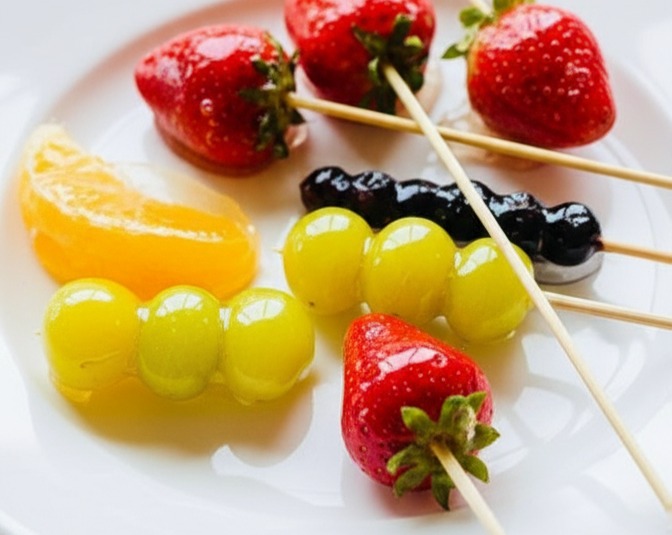
- 4. **Fruit Selection and Preparation**: While traditional tanghulu uses hawthorn berries, the world is your oyster when it comes to fruit choices! Strawberries, grapes, mandarin orange segments, kiwi slices, blueberries, and cherries are fantastic. For larger fruits, ensure they are cut into uniform, bite-sized pieces for easier dipping and eating. Avoid overly watery fruits like watermelon or very ripe, soft berries, as they can release moisture.
- 5. **Flavor Variations & Presentation**: For an extra layer of flavor, consider adding a tiny splash of vanilla extract, a pinch of cinnamon, or even a drop of rosewater to your sugar syrup before boiling. To make your tanghulu even more festive, try adding a few drops of food coloring to the syrup for a vibrant, jeweled effect. For a fun twist, after dipping, you can quickly sprinkle a tiny bit of edible glitter or finely chopped nuts before the sugar fully hardens.
Ingredients
- 2 cups granulated sugar
- 1 cup water
- 1 pound mixed fresh fruit (strawberries, grapes, mandarin orange segments, kiwi slices, blueberries, cherries)
…and more!
Delicious DIY Tanghulu: Easy Homemade Crunchy Fruit Sweets
Transform your favorite fruits into dazzling, crunchy jewels with this incredibly simple and satisfying homemade tanghulu recipe, perfect for a unique sweet treat.
Ingredients
- 2 cups granulated sugar
- 1 cup water
- 1 pound mixed fresh fruit (strawberries, grapes, mandarin orange segments, kiwi slices, blueberries, cherries)
- Optional: a few drops of food coloring for vibrant syrup
Step-by-Step Instructions : . . .
To Complete Step By Step Instructions Please Head On Over To Next Page Or Open button (>)